I am Assistant Professor at the Naval Postgraduate School in the Systems Engineering Department. Previously, I was a research associate at Friedrich-Alexander University Erlangen–Nürnberg (Germany), where I also earned my doctorate in Mechanical Engineering. I hold a Bachelor of Science and a Master of Science in Industrial Engineering and Management with a specialization in Mechanical Engineering from Paderborn University (Germany). My research focuses on model-based systems engineering, digital twins, and complex defense systems, such as unmanned surface vessels.
«As defense systems become increasingly autonomous and AI-enabled, effective human-machine collaboration will be essential. Engineers and operators must be able to understand how these systems, and the digital twins that represent them, behave and make decisions. My research develops models, methods, and tools that make this complexity understandable, enabling future engineers to use AI responsibly and design trustworthy systems for missions of national importance.»

San Francisco, United States
My research focuses on advancing digital twins by establishing system models as their underlying model backbone. Reusing these models allows engineering knowledge created during early system development to remain accessible throughout the system lifecycle, reducing duplicated effort and supporting the continuous expansion of system capabilities. It also enables early verification and validation activities, helping engineers evaluate the behavior of autonomous systems and their digital twins before deployment.
Realizing this vision requires new system-modeling methodologies and tools that connect the system model with discipline-specific domain models and operational data. A key application area for my research is unmanned surface vessels. For these systems, particularly when operating in contested environments, it is essential to connect system architecture and expected behavior with the analysis of operational data. This connection can improve understanding of system performance, support informed engineering decisions, and contribute to the development of more capable and trustworthy autonomous systems.
I seek to create a learning environment in which students develop the confidence and capabilities required to become future system engineers. My teaching connects theoretical concepts with realistic engineering problems and provides students with opportunities to explore different approaches, apply their knowledge, and learn from their results.
I encourage independent thinking and help students develop strategies for acquiring and critically evaluating new information. Through projects, discussions, presentations, written assignments, and varied forms of assessment, students strengthen both their technical understanding and their ability to communicate engineering decisions effectively.
Digital Twins,
Cyber Physical Systems,
Model-Based Systems Engineering,
System Architecture,
Architecture Frameworks (DoDAF, NAF, UAF, etc.),
System Modelling (SysMLv1 & v2),
Mission Engineering,
Unmanned Surface Vessels,
Defense Systems,
Autonomous Systems,
System of Systems, Systems Integration,
Combat Systems Engineering
INCOSE International Council on Systems Engineering (2017)
Gesellschaft für Systems Engineering e.V. (2017)
Design Society (2019)
Outside research and teaching, I enjoy photography, playing guitar, fencing, and spending time outdoors through hiking, hunting, and off-road exploration. These activities provide a balance of creativity, concentration, physical challenge, and time in nature. Photography, in particular, allows me to document the places I visit and explore different perspectives beyond my academic work. I also enjoy learning about technology, mechanical design, and the engineering behind everyday systems.
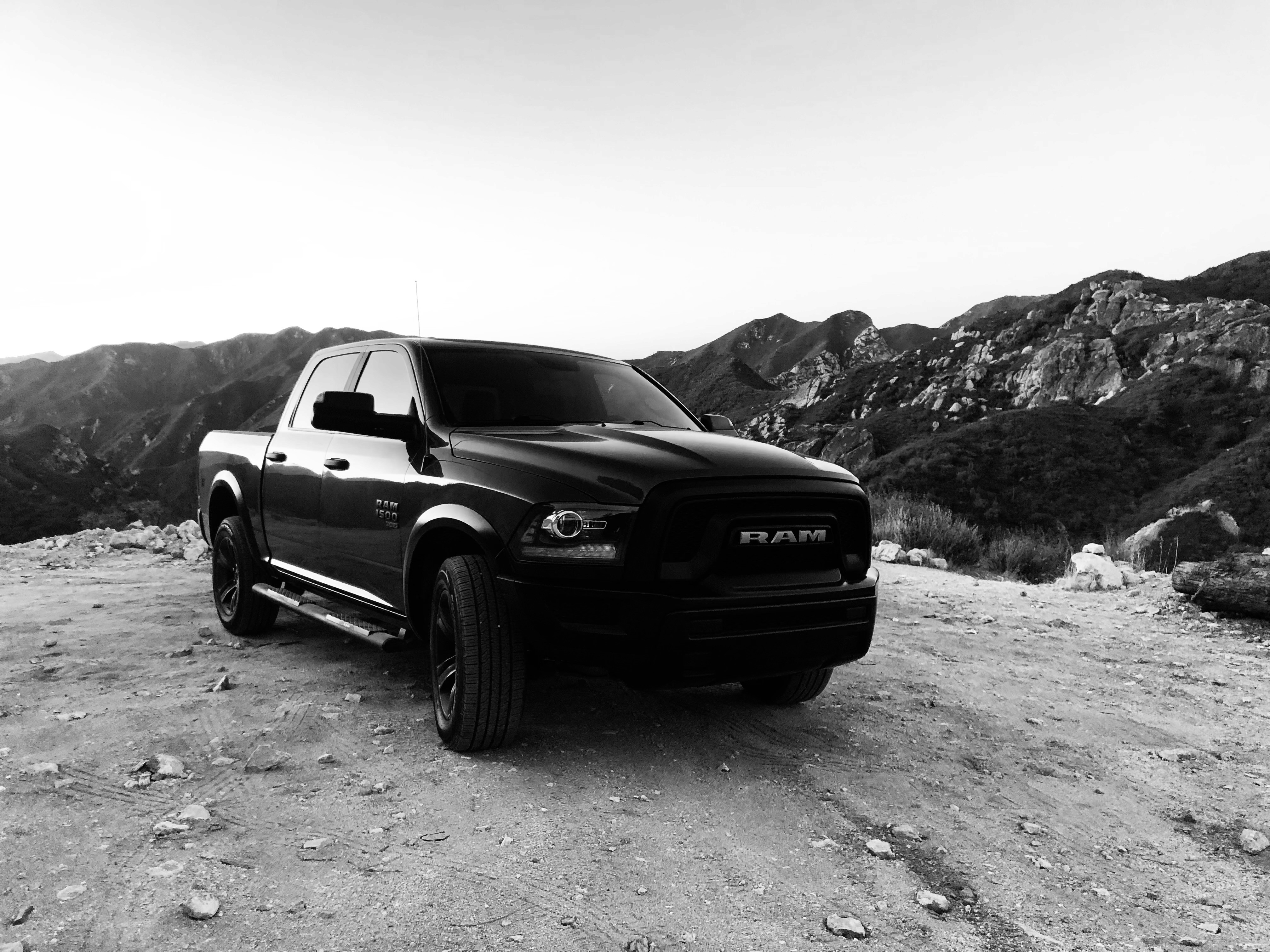
Ventana Wilderness, CA, United States